The reported concern comes first.
Record A gives 09:10; record B gives 10:05. That supports the sequence if the records and their clocks are accurate. It does not tell us what happened in between.
Evidence in focus
A useful presentation lets people follow the evidence, see the sequence, and understand which questions remain. Explore the examples below at your own pace.
Presentation study / 01 · From scene to sequence
Begin with a familiar street setting. Open the 3D model to examine two approaches, change the viewpoint, and isolate a moment.
 Generated setting · Not an actual location or case
From the world we recognize
to the details we need to see.
Two approaches.
One shared view.
A sequence you can explore.
This invented example places one vehicle on each of two perpendicular roads. The vehicles approach the intersection and stop just before contact. Perspective and overhead views show the same geometry.
The interactive 3D version requires JavaScript and WebGL.
At the start: Vehicle A approaches from the left; Vehicle B approaches on the perpendicular road.
Presentation study / 02 · Medical damages
Follow the connection from treatment to everyday life, then examine what would be needed to explain future care.
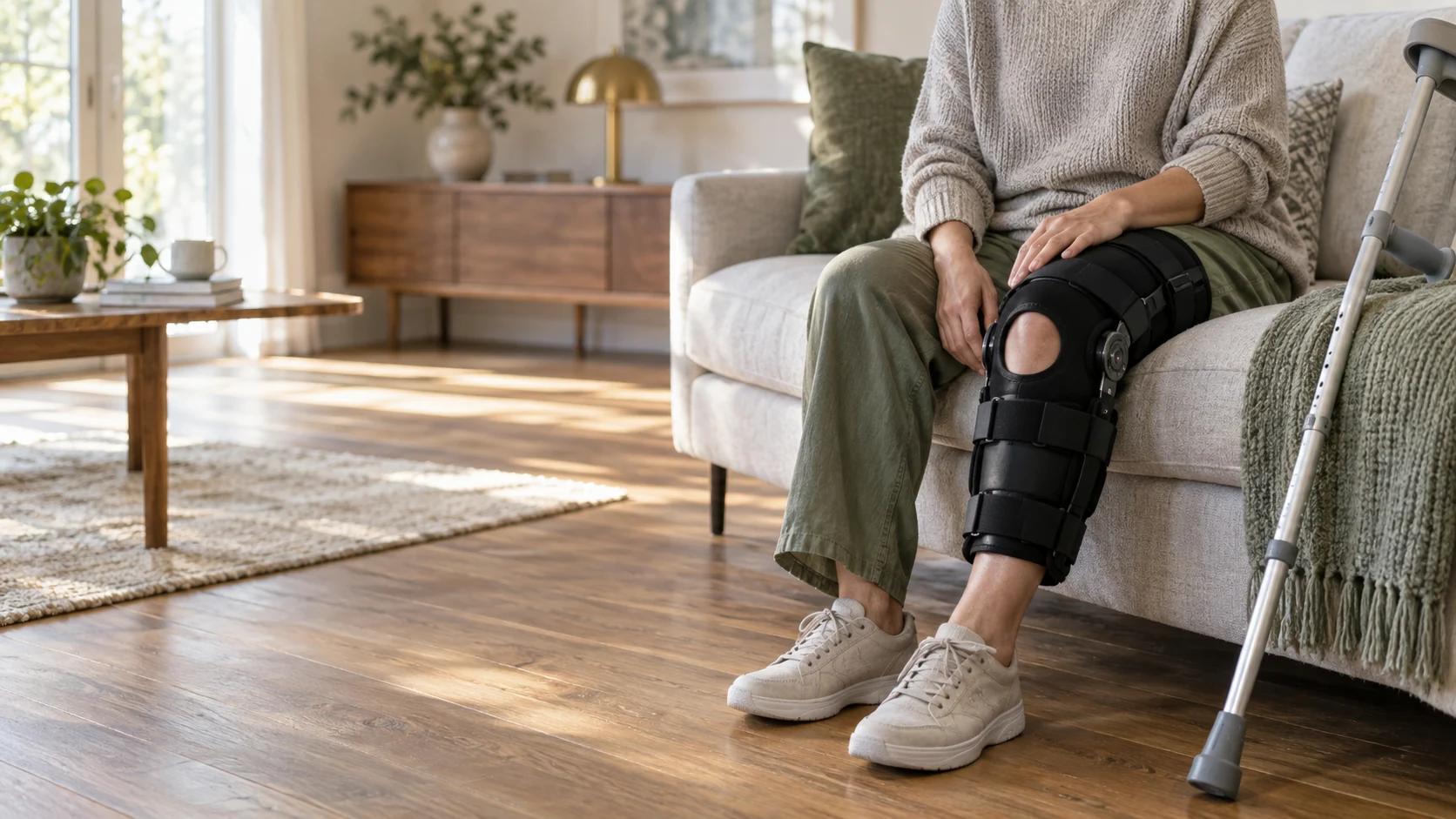 Generated illustration · Not a client
Treatment has
a sequence.
Build the chronology
A treatment chronology makes the course of care easier to follow. In an actual case, each point should identify the record that supports it.
The reported injury, examination, and treatment plan.
What was done, the restrictions recorded, and the progress documented.
What improved, what persisted, and what needs further evaluation.
Source path: assessment → treatment records → follow-up. This example does not prescribe a course of care.
Connect the record to the person
Connect a question about function to the evidence needed to explain it.
How did stairs, meals, and household tasks change?
Connect documented restrictions with the person’s account and specific observations from those who helped. Establish what assistance was actually provided and for how long.
A diagnosis alone does not tell the whole story of a person’s daily limitations.
Separate known needs from open questions
An engaging visual should make the support for each proposed need visible. It should also show where the evidence is incomplete.
Who recommends the care, and what supports that opinion?
How often, for how long, and with what stated uncertainty?
What supports the expense and the practical consequences?
No prognosis, care plan, cost, or damages amount is assumed in this illustrative study.
Make the relationship visible. Treatment, function, and future needs are connected questions; each requires its own support.
Discuss what your case needs ↗An original demonstration of presentation technique, using generated imagery and illustrative content. It depicts no Allen Legal client, medical opinion, or completed case presentation. Actual case materials require source verification and review for their intended use.
Select a record. Look closely.
Three invented records. Three parts of the account. Select A, B, or C to inspect the excerpt and understand its limits.
The same records. A clearer sequence.
The reported concern precedes departure by 55 minutes. What happened in that interval? The records shown here do not answer that question.
Choose a statement to test.
A strong presentation makes the support visible—and shows when a conclusion goes further than the records allow.
Select a record to inspect its excerpt below.
Record A gives 09:10; record B gives 10:05. That supports the sequence if the records and their clocks are accurate. It does not tell us what happened in between.
Records B and C place the reported events 35 minutes apart. They establish an order to investigate, not a cause.
None of these records, alone or together, establishes that a brake condition caused the collision. Vehicle examination, repair records, physical evidence, witness accounts, and appropriate expert analysis would need evaluation.
Invented excerpt · not a client document
09:10
Driver reports a brake concern before departure.
What this source tells us
This records a report of a concern. It does not establish a mechanical defect or tell us whether anything was done about it.
A Keep the point attached to its source.
Invented excerpt · not a client document
10:05
Vehicle departure recorded at 10:05.
What this source tells us
This supplies a departure time. It does not say who reviewed the concern, whether a repair occurred, or whether the vehicle was fit to depart.
B Keep the point attached to its source.
Invented excerpt · not a client document
10:40
Rear-end collision reported at 10:40.
What this source tells us
This places a reported collision after departure. The sequence alone does not explain the cause of the collision.
C Keep the point attached to its source.
All records, times, and events are invented. The interval bar represents 55 and 35 minutes proportionally; the record cards are presentation controls. This is an information-design example, not a reconstruction, expert opinion, or case result.
The purpose of the presentation
In a serious injury case, the important information may be spread across records, testimony, photographs, and technical analysis. Bringing that material into a coherent sequence helps focus the work and explain the questions in dispute.
A compelling graphic must remain faithful to its sources. Dates need support. Different accounts need to remain distinguishable. An illustration should not make an uncertain point look settled.
For referring counsel, this is part of the conversation about trial preparation: what needs to be established, which sources support it, and how to explain it clearly.
Discuss a referral or co-counsel role ↗Start a conversation
Four South Carolina offices. We can also come to you.
Call 843-481-4000 or email team@allenlegal.net.